
On this page
A vehicle tracking system is the combination of a GPS device fitted to each vehicle, a SIM that carries its data, and a platform where you watch, replay and report on the whole fleet. In Saudi Arabia it is also the mechanism behind the Transport General Authority (TGA) WASL requirement, so for many operators it is a condition of staying licensed rather than a nice-to-have. This page explains how a tracking system works, what each type of fleet needs from it, and how HHET supplies, installs and supports it from Jeddah for companies across the Kingdom.
What a vehicle tracking system does
Every system has the same four parts. A tracker wired to the vehicle's power (or an OBD or battery unit, depending on the vehicle) fixes its position from GPS satellites several times a minute and reads ignition, speed and, where fitted, sensor inputs. A SIM card sends those readings over the mobile network. The HHET platform receives, stores and maps them. The HHET app and web dashboard show them to you as a live map, trip history, alerts and reports.
From those readings the platform derives the things a fleet manager actually asks for: where each vehicle is now, where it was at 02:15 last Tuesday, how long it idled at a site, whether it entered a geofence it should not have, how fast it took the descent into Makkah, and how many kilometres it ran this month. Sensors extend the same system to fuel level, door opening, cargo temperature, driver identity and camera footage. If you want the mechanics in more depth, read how GPS vehicle tracking works.
The device is the smallest part of the decision. What separates a working system from a dot on a map is the platform's reports, the alert rules you set, the quality of the installation, and whether someone answers when a unit stops reporting.
Who uses vehicle tracking in Saudi Arabia
Three groups account for most of the fleets HHET works with. Regulated transport operators (taxi, rental, bus and freight companies) need TGA-approved devices linked to WASL. Commercial fleets in distribution, construction, utilities and field service want fuel, idling and route control and proof of delivery. Owners of valuable mobile assets, from a single company car to a trailer yard in Dammam, want to know where things are and to be alerted when they move. The sections below cover each of these needs and link to the full page for each one.

Fleet and vehicle types
Fleet management for company vehicles
A fleet management system is what a tracking system becomes once you add the tools to run vehicles as a business: trip and stop reports, geofences around depots and customer sites, mileage-based maintenance reminders, driver assignment, utilisation reports and alerts routed to the right person. The HHET platform handles mixed fleets, so a company with sedans for sales staff, vans for technicians and a few trucks sees them on one map with one login and role-based access for each department. Reports are scheduled and sent by email, so the Monday summary arrives without anyone logging in. For fleets that carry chilled or frozen goods, the same platform shows cargo temperature next to location, which we cover in the temperature section below.
Truck tracking for freight and long-haul
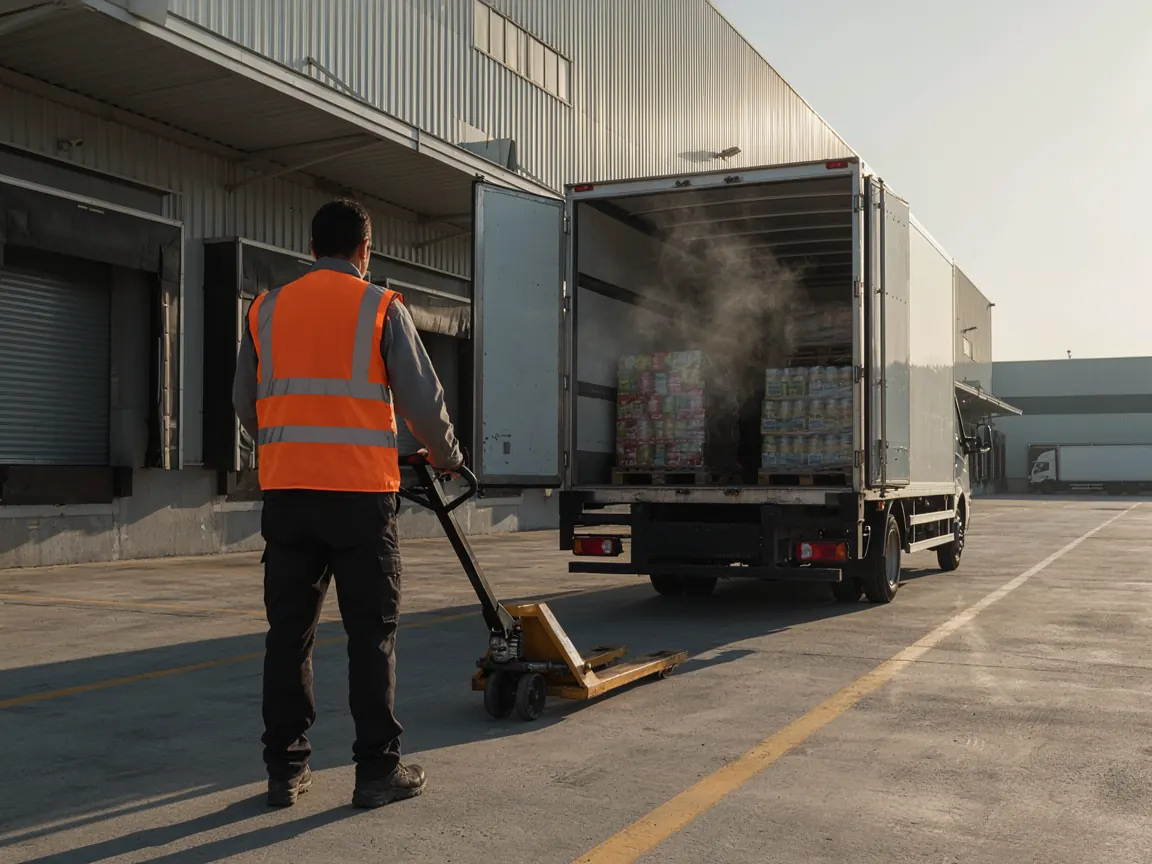
Trucks spend their life on the Jeddah–Riyadh highway, the Makkah–Madinah corridor and the Riyadh–Dammam route, in heat that regularly passes 45 °C, with trailers that change from one trip to the next. A truck tracking system is built for that: 12 V and 24 V installations, devices placed where heat and dust will not reach them, trailer pairing, driver identification, and reports on distance, stops and driving style per trip and per driver. Freight operators that fall under TGA licensing also use truck tracking to satisfy WASL reporting, so the device does double duty. HHET installs in the truck yard, at the port or at your depot, and the same platform follows the truck from Jeddah Islamic Port to a warehouse in Riyadh without a gap.
Bus and school transport tracking
Buses carry people, so tracking them is as much about safety as cost. GPS tracking for buses shows every vehicle on its route, flags speeding and harsh braking, records door-open events at stops and produces the trip and attendance records transport offices ask for. For school transport, arrival estimates and stop notifications reduce the daily calls to the office. For intercity and staff buses, driver identification and shift reports keep hours honest. Bus operators licensed by TGA are among the activities that must link to WASL, so HHET supplies approved devices and completes the linking as part of the installation.
Taxi and car rental tracking
Rental and taxi companies have vehicles in strangers' hands all day, every day. Car rental GPS tracking gives each vehicle a live location, a geofence (city, region or Kingdom) that raises an alert when crossed, mileage per contract, speed records in case of a dispute, and remote engine cut-off where the contract and the law permit it. Because taxi and rental are licensed transport activities, the device also has to be TGA-approved and linked to WASL, which HHET handles vehicle by vehicle as cars enter the fleet. Devices for rental fleets are installed out of sight and wired so they cannot be unplugged without raising a power-cut alert.
Trailer and container tracking
A trailer has no battery of its own and spends weeks parked between jobs, so it needs a different device from the truck that pulls it. GPS trackers for trailers and containers use long-life internal batteries or small solar panels, report on a schedule you choose, and switch to frequent reporting when they move. Paired with the truck's tracker, the platform knows which trailer is behind which truck and alerts you if one is detached away from a depot. For container traffic through Jeddah and Dammam, a tracker on the container or chassis shows the dwell time at the port, the time on the road and the time at the customer's gate.
Heavy equipment and asset tracking
Generators, excavators, compressors and site tools are stolen or simply lost between projects more often than fleet managers like to admit. An asset tracking device fixed to each machine reports its location, engine hours and movement, and the platform draws a geofence around each site so an after-hours move raises an alert. Engine-hour counts drive maintenance and utilisation reports: you learn which machines earn their keep and which should be sold. HHET fits wired units to powered equipment and battery units to anything without power, and the same login that shows the trucks shows the machines.
Compliance and features
TGA-approved tracking and WASL integration
The Transport General Authority requires vehicles operating in licensed transport activities (taxi, rental, buses and freight among them) to carry an approved tracking device that reports to the WASL platform. TGA-approved vehicle tracking and WASL integration is therefore the first question for most regulated operators, and HHET's answer is practical: we supply devices that meet the TGA's technical requirements, install them, complete the WASL linking for each vehicle, and keep the fleet reporting so a dead device does not become a licence problem. The page explains which activities are covered, what WASL receives, and how the process works for a new fleet and for vehicles added later.
WASL requirements, covered activities and approved device lists are set by the TGA and change over time. HHET confirms the current rules for your activity before quoting, and the platform is kept aligned with the TGA's technical specifications.
Fuel monitoring
Fuel is usually the largest controllable cost in a Saudi fleet, and the hardest to see. A fleet fuel monitoring system adds a fuel-level sensor (capacitive rod, ultrasonic or a CAN-bus read from the engine) to the tracker so the platform graphs fuel level against time and distance. From that graph it flags refuels that do not match invoices, sudden drops while parked, consumption per vehicle and per driver, and the litres burnt idling with the air-conditioning on. Sensors are calibrated on installation so readings are in litres, not raw numbers. The result is a fuel report you can reconcile with the fuel card statement instead of a monthly argument.
Driver behaviour monitoring
The same accelerometer and speed data that locates the vehicle also describes how it is driven. Driver behaviour monitoring records speeding against the road limit, harsh braking, hard acceleration, sharp cornering and excessive idling, and turns them into a score per driver and per trip. Managers use the scores for coaching rather than blame: the weekly report shows who improved and who needs a conversation. Driver identification (an RFID or iButton key) assigns each trip to a person, which matters in multi-driver fleets and in disputes. Fewer harsh events mean fewer accidents, lower insurance claims and less wear on tyres and brakes.
Vehicle tracking software and mobile app
Everything above is only useful if the software is clear. The HHET platform and mobile app give managers a live map, trip playback, alerts and scheduled reports in Arabic and English, in the browser and on iOS and Android. Users and roles control who sees which vehicles, so a branch manager in Dammam sees Dammam and head office sees everything. Alerts arrive as push notifications, email or SMS according to your rules. Drivers can have their own app view for trips and messages where that suits the operation. There is no software to install on a PC; a browser is enough.
Dash cams and video telematics
When a tracker says "harsh braking at 14:32 on King Fahd Road", a camera shows why. Fleet dash cam solutions combine GPS with a forward camera and, where you choose, a driver-facing camera, recording the seconds before and after an event and uploading the clip to the platform. Operators use the footage to settle liability after a collision, to coach drivers with evidence, and to deter distracted driving. HHET advises on driver consent and privacy notices before any inward-facing camera is fitted, and recommends video for trucks, buses and delivery fleets first, where the exposure is highest.
Which tracking approach fits which fleet
The table summarises how HHET typically equips each type of vehicle. Every fleet is quoted individually, but the pattern holds for most installations; each row links to its full page in the sections above.
| Vehicle or fleet type | Typical device | Power | Key data | WASL linking |
|---|---|---|---|---|
| Company cars and vans | Wired GPS tracker or OBD unit | Vehicle 12 V | Location, trips, geofences, mileage | Not usually required |
| Trucks and long-haul | Wired tracker with driver ID, optional fuel sensor | Vehicle 12 V / 24 V | Trips, stops, fuel, driver score, trailer pairing | Where the activity is licensed |
| Buses and school transport | Wired tracker, door sensor, optional camera | Vehicle 24 V | Route, stops, speed, door events | Typically required |
| Taxi and rental cars | Concealed wired tracker, optional cut-off relay | Vehicle 12 V | Location, geofence, mileage, speed, cut-off | Typically required |
| Trailers and containers | Battery or solar tracker | Internal battery | Location, movement, detachment | Not usually required |
| Heavy equipment and tools | Wired or battery asset tracker | Machine power or battery | Location, engine hours, after-hours movement | Not usually required |
| Refrigerated trucks and vans | Wired tracker with temperature probes | Vehicle 12 V / 24 V | Location plus cargo temperature and door status | Where the activity is licensed |
Tracking the cargo, not only the vehicle
For pharmaceutical distributors, food and catering companies and anyone moving chilled goods, where the truck is matters less than what temperature the cargo is at. HHET is one of the few providers in the Kingdom that runs both: a temperature and humidity monitoring system for cold rooms, warehouses and pharmacies, and refrigerated truck monitoring, where probes connect to the vehicle tracker so a reefer's cargo temperature appears on the same map as its location. Saudi Food & Drug Authority (SFDA) rules for drug storage and transport make this a compliance matter, not a convenience. If your need is a single car or a device decision rather than a fleet, start with our car GPS trackers and tracking devices page, which covers wired, OBD, magnetic and anti-theft units.
Why fleets choose HHET
HHET (Hulool Hawazen Technical Establishment) is based in Jeddah and serves fleets across Saudi Arabia, from a Riyadh distribution company to a contractor with sites in the Eastern Province. What you get is a local engineering partner rather than a device reseller:
- Devices from the TGA-approved range, and WASL linking. We supply hardware that meets the TGA's technical requirements and complete the WASL linking for every vehicle in a licensed activity.
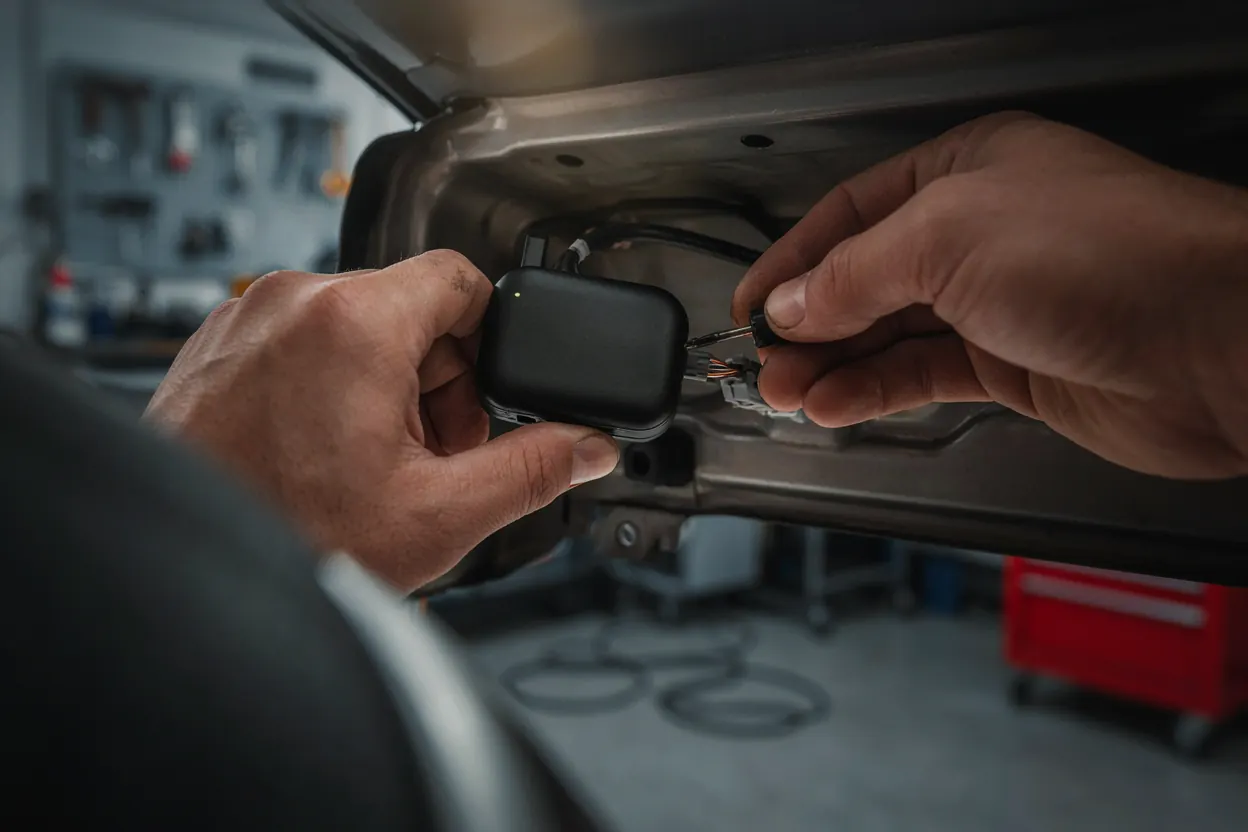
- Professional installation. Our GPS tracker installation service fits devices at your site or ours, with concealed wiring, a power-cut alert and a test report for each vehicle.
- One platform for vehicles and temperature. Trucks, cars, trailers, machines and reefers on one login, in Arabic and English.
- Support that stays. Device health is monitored, a unit that stops reporting is chased, and SIMs and subscriptions are managed so you do not have to.
What drives the price
Quotes depend on the device class (wired, OBD, battery, camera), the sensors added (fuel, temperature, driver ID, cut-off relay), the number of vehicles, the reporting interval and the subscription term. There is no single list price because a rental sedan and a 24 V reefer are different installations. Request a quote with your vehicle list and activity, and HHET will return a line-by-line proposal. Our guide to fleet tracking cost and subscriptions explains each line.
Fleets also differ by sector, and so do their problems. Our industry pages cover logistics and transport companies, delivery and e-commerce fleets, construction contractors and large multi-site and government-scale fleets, plus the two sectors where the vehicle also carries temperature-sensitive cargo: pharmaceutical distributors and food distributors.
Last reviewed . HHET reviews pillar guides every six months for regulation, price-driver and device changes.