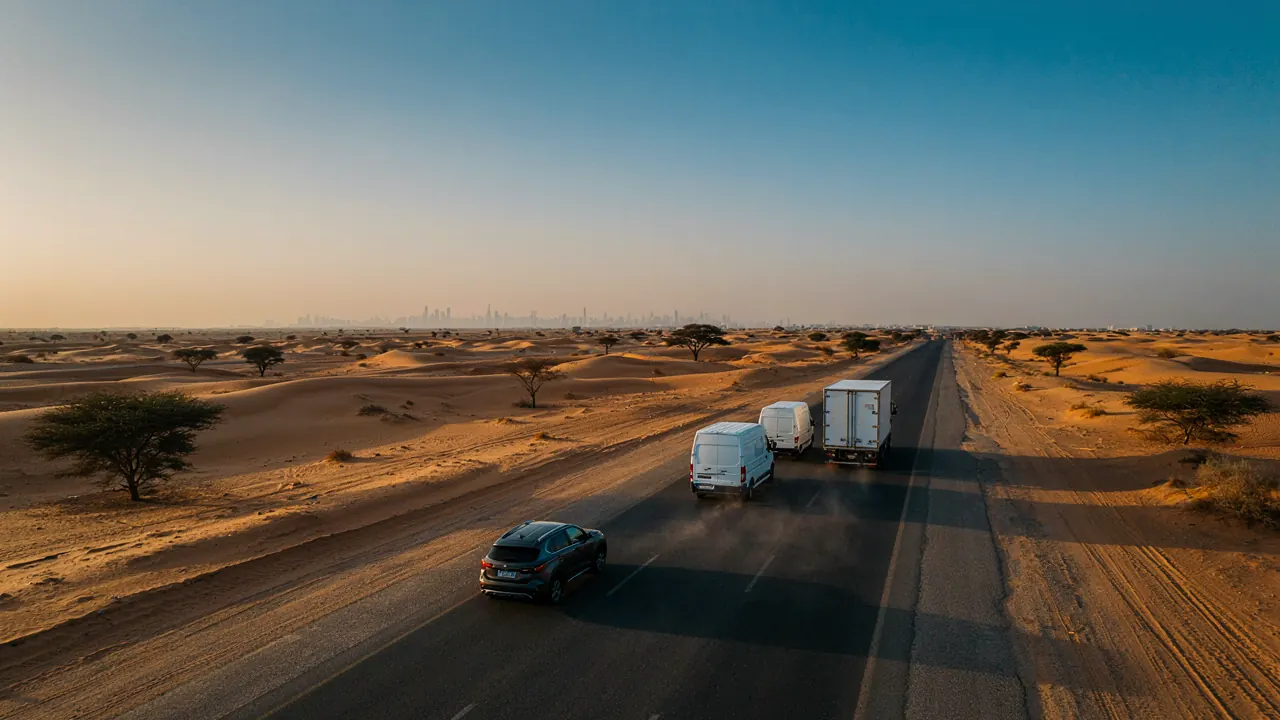
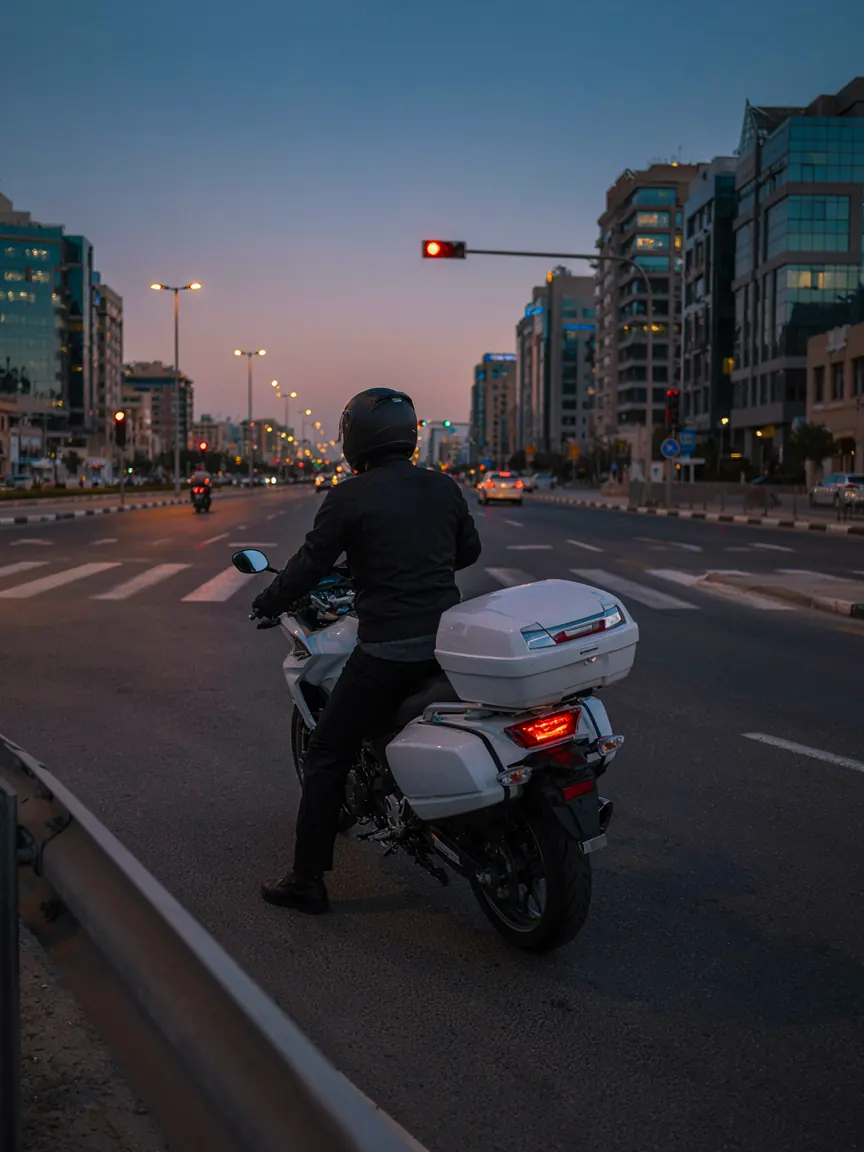
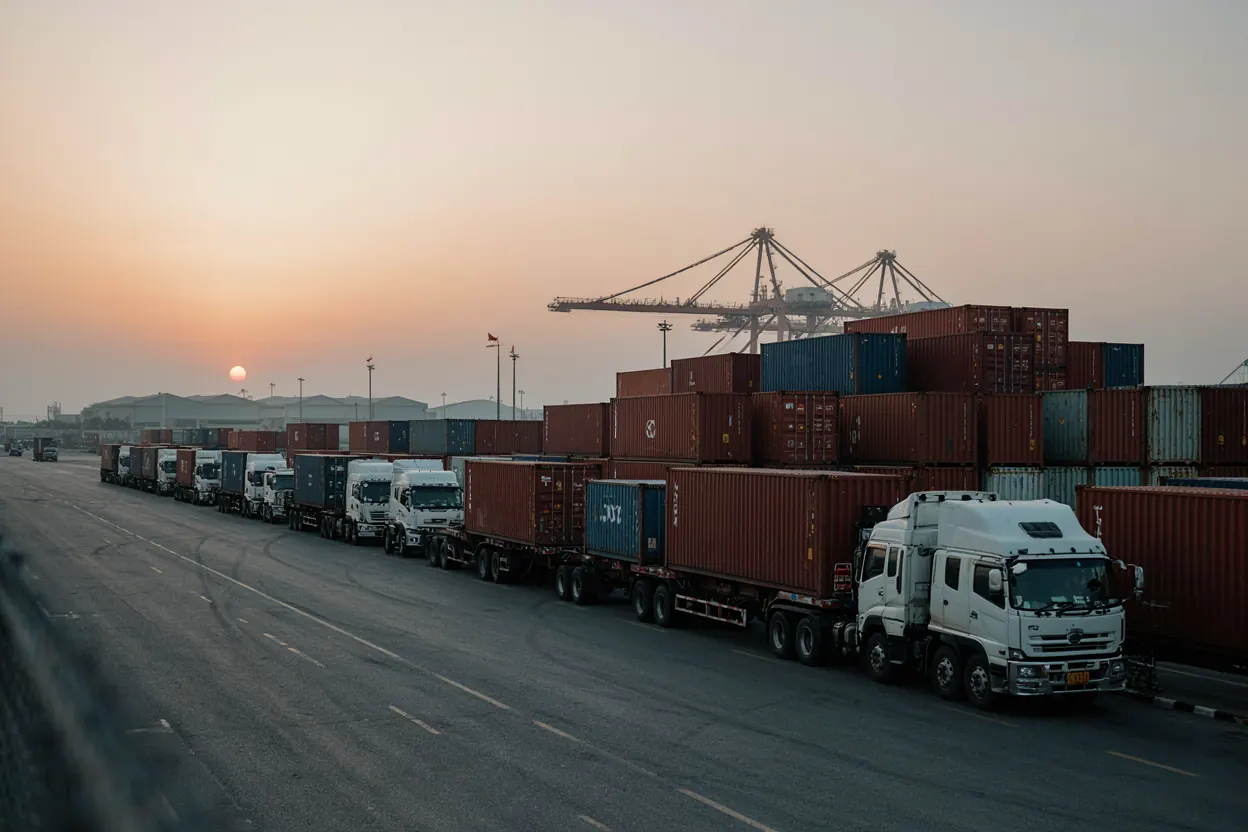
A delivery operation is the hardest kind of fleet to see. A motorcycle rider makes thirty drops in a shift, a van runs a fixed route with a hard cut-off, and a rented truck carries the bulk stock between the warehouse and the hubs. Each moves differently, stops differently and fails differently, yet the customer who is waiting only asks one question: where is my order? This page sets out the problems Saudi delivery and e-commerce fleets actually face, and how HHET answers them with fleet management software built on our vehicle tracking system. The same platform adapts to other sectors too, as the overview of industries we serve shows.
Bikes, vans and trucks on one map
Most delivery businesses grow in layers. They start with a few motorcycles in one district of Jeddah, add vans for bulkier parcels, and later contract trucks for line-haul between Jeddah, Riyadh and Dammam. The usual result is three separate tools, or none: riders reporting by WhatsApp, vans on a spreadsheet and trucks tracked by the transport contractor, whose data you never see.
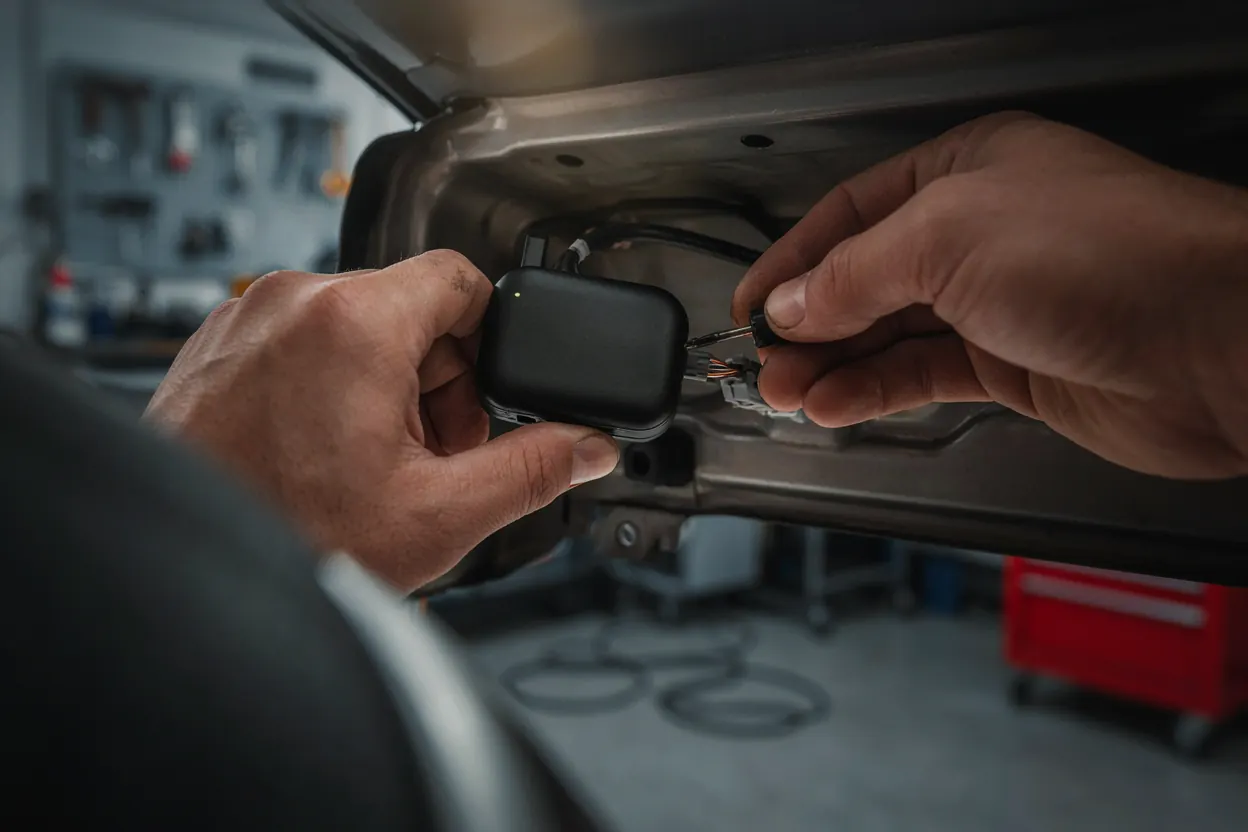
The fix is to put every vehicle type on a single live map with the same alert rules and the same reports, using whichever device suits the vehicle. A compact, waterproof unit with a small backup battery suits a bike, and our motorcycle and delivery bike tracking page covers how those are fitted. Vans take a hard-wired tracker with an ignition input, so trip start and end are exact rather than guessed. Heavier trucks follow the approach on our GPS tracking for trucks page, with fuel and door inputs where the route justifies them.
A dispatcher can then filter by vehicle type, zone or shift supervisor, and see at a glance which rider is idle near an order that has just come in, rather than phoning around.
Rider safety and speed
Riders are the most exposed people in any fleet. They work to a clock, in summer heat, on busy roads in Jeddah and Riyadh, and the pressure to hit the delivery window is built into the job. Speed data is the earliest warning you have.
- Speed limits by zone. Set a threshold for dual carriageways and a lower one for residential districts, and receive an alert when a rider crosses it, not a monthly summary after the fact.
- Harsh braking and acceleration. Where the tracker supports it, repeated hard events on one route point to a road or a schedule problem rather than a single bad rider.
- Shift hours. Trip history shows who has been riding for ten hours without a break in the middle of a Jeddah summer afternoon, so a supervisor can intervene.
The aim is coaching with evidence. A rider who sees a trip replay of the stretch where he exceeded the limit usually accepts the conversation faster than one reading a printed complaint. Our driver monitoring page explains the scoring and reporting behind this.
Stops, dwell time and delivery proof
The map tells you where a vehicle is; the stop log tells you what it did there. For delivery, three numbers matter more than distance driven.
- Dwell time at the customer. A drop that normally takes four minutes but took thirty-five is either a difficult building or a personal errand. The log does not accuse, but it prompts the right question.
- Dwell time at the hub. Vans waiting an hour to load are a warehouse problem, and the fix is on the dock, not on the road.
- Time at a drop versus time of the status update. If the app marks an order delivered while the vehicle was a kilometre away, you have a proof problem before the customer has even complained.
Geofences around depots, hubs and large customer sites turn this into automatic arrival and departure records. Those timestamps are what you hand a marketplace seller or a corporate customer who disputes a delivery window, with a position trail behind them instead of a driver's word.
The problems, and what we do about each
| Problem | What it costs you | HHET approach |
|---|---|---|
| Bikes, vans and contractor trucks tracked in different places | No single view of the day; late orders found by customer complaint | One platform and map, device chosen per vehicle type, filters by zone and supervisor |
| Riders speeding to hit time windows | Accidents, vehicle damage, insurance disputes | Zone speed alerts, harsh-event reports, trip replay for coaching |
| Long, unexplained stops | Missed delivery windows, private use of company vehicles | Stop and dwell reports, geofenced customer and hub sites |
| Disputed deliveries | Credit notes and lost seller trust | Timestamped arrival and departure records with a position trail |
| Stolen or abandoned bikes and vans | Lost vehicle and lost stock | Movement alerts outside shift hours, live location for recovery |
| Empty-running vans and wasted fuel | Fuel and driver hours spent on poor routes | Route and idle reports to rebalance zones and shifts |
Saudi context: heat, density and compliance
Delivery in the Kingdom has its own constraints. Summer surface temperatures stress bike electrics and backup batteries, so trackers need proper sealing and the installer needs to place them away from engine heat. Dense neighbourhoods and multi-storey buildings mean the GPS fix at the kerb is often a few metres off, which is why geofences should be drawn generously around a building rather than on its doorstep. Peak seasons such as Ramadan and national-day sales compress hours into a few evenings and bring in temporary riders and rented vans, so a platform that lets you add a vehicle in an afternoon matters more than one that is polished but slow to roll out.
Where a delivery business operates trucks or vans under a Transport General Authority (TGA) licence, vehicle tracking and linking to the WASL platform may be required for those vehicles. Requirements depend on the activity and vehicle class, so confirm yours with the TGA or your licensed integrator. Our TGA and WASL compliance page explains what we check before an installation.
If your contractor already holds the licence and the WASL link, ask what data you are entitled to. Many shippers discover they pay for a service but see none of the output.
Recommended HHET set-up for delivery fleets
We do not sell a standard bundle, because a ten-bike food operation and a three-hub parcel network have different needs. The pattern that works for most is simple.
- Start with the map and the stop log. Install trackers across all vehicle types and run the platform for two weeks before changing any rules. You will learn your real dwell times and idle patterns.
- Add zone speed and after-hours alerts. Tune thresholds to the roads you drive, not defaults.
- Draw geofences for hubs, depots and your top customers. This gives you the arrival records without anyone pressing a button.
- Schedule a weekly report to each supervisor. Idle time, longest stops, speed events and vehicles that did not move.
- Connect the data to your order system where you have one, so the customer-facing ETA comes from the vehicle rather than from the dispatcher's estimate.
To scope a fleet that mixes bikes, vans and trucks, send us the vehicle counts and the cities you cover through our quote request form, and we will propose the devices and the platform setup.
Last reviewed .