
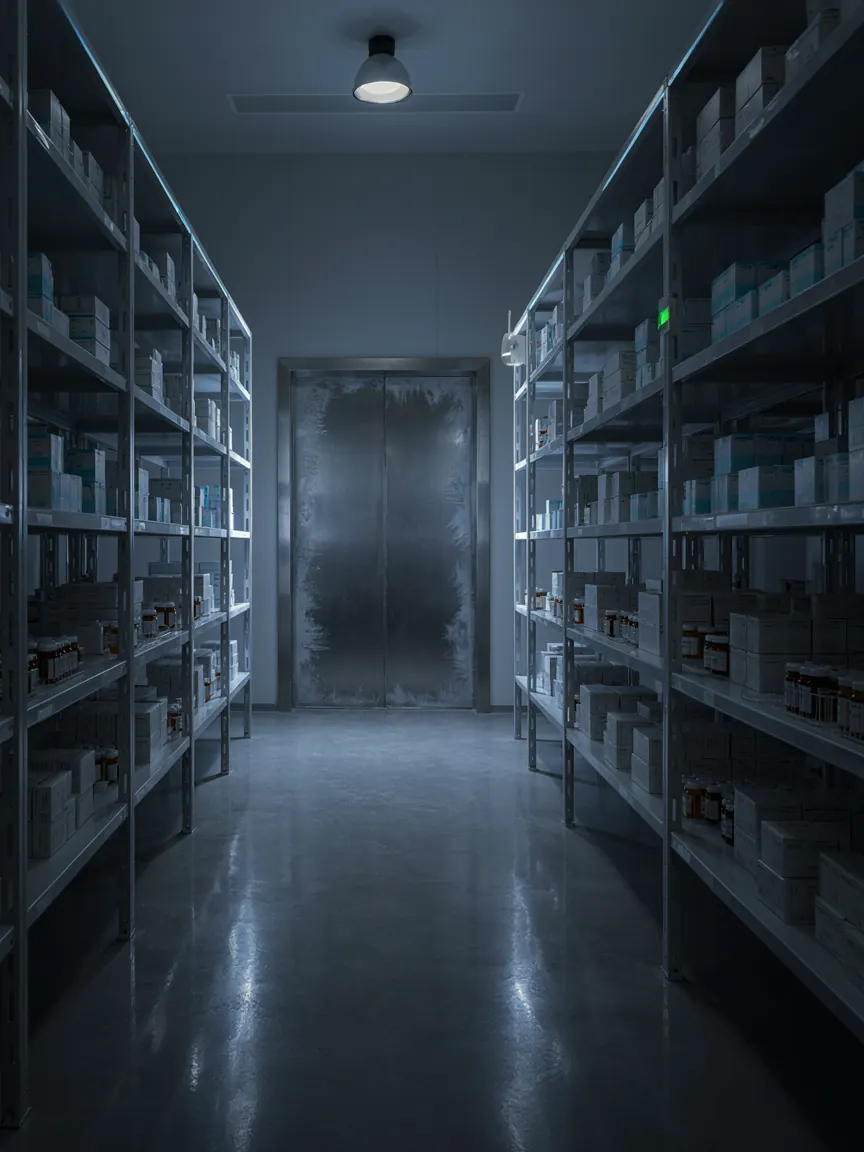
A temperature and humidity data logger is a small battery-powered device that measures and stores readings in its own memory at a set interval, for hours or months, so that the conditions a product or room experienced can be read back later. It is the simplest form of monitoring and still the most widely used for anything that travels, because the record stays with the product. Loggers are also the tool used to map a building before permanent sensors are fitted. On this page HHET explains the types, how data gets out of them, and when a logger is the right choice compared with a connected temperature and humidity monitoring system that reports in real time.
What a data logger does, and what it does not
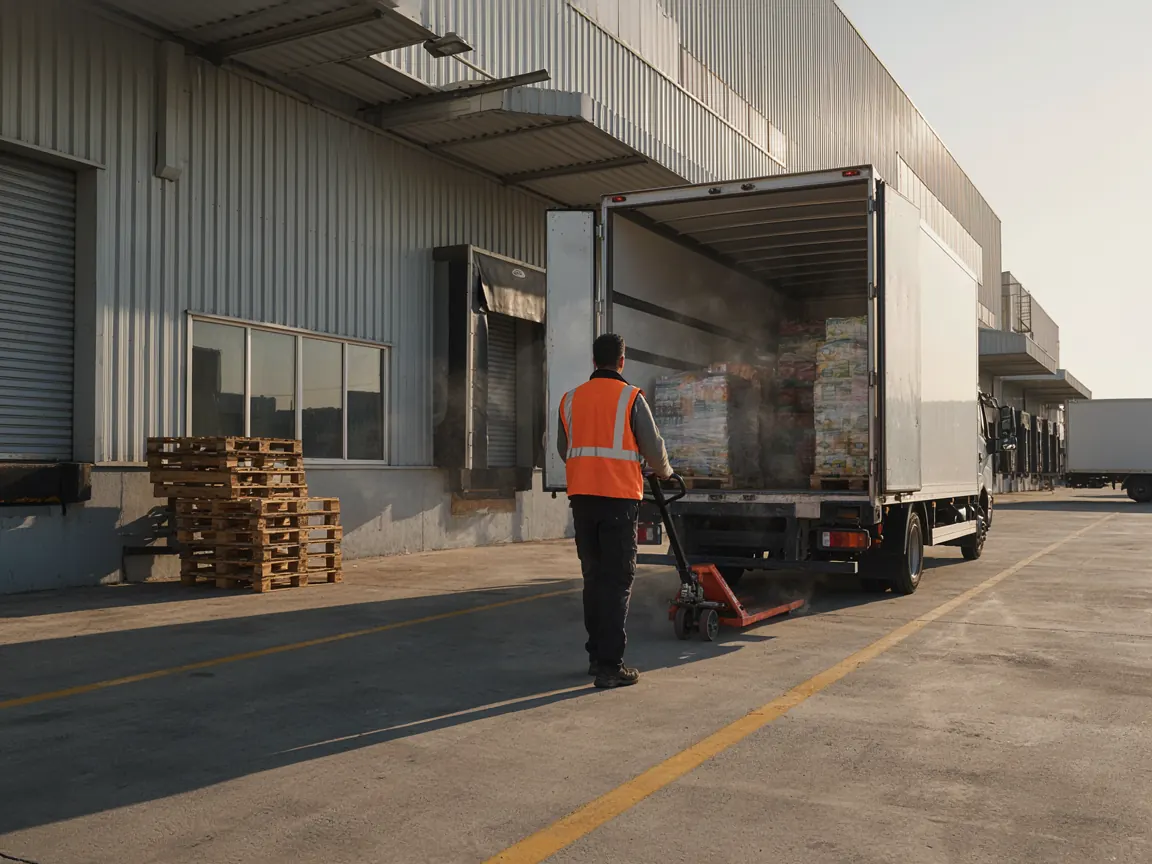
A logger answers one question well: what happened to this product, in this place, between two times. A pharmaceutical shipment from Jeddah to Riyadh, a pallet of frozen food through a third-party cross-dock, a validation study of a new cold room, a week of readings from a rack level nobody is sure about. In each case the logger is placed, started, retrieved and read. What a standalone logger does not do is tell anyone while the problem is happening. If a reefer fails at 2 a.m. on the road to Taif, a USB logger will record it perfectly and report it on arrival, when it is too late to act. That is the dividing line between loggers and live monitoring, and the reason many sites use both: loggers for the record that travels, connected sensors for the alarm.
Standalone vs connected loggers
A standalone logger has memory, a sensor, a battery and some way of reading it out, usually a USB connector or a short-range radio link to a phone. It needs no network and no subscription, which makes it the right tool for one-way shipments, third-party carriers and short studies. A connected logger adds a cellular or gateway link and uploads readings to the HHET platform as it records them. It costs more and consumes more battery, but it turns the record into an alert: a dispatcher sees the excursion in progress and the receiving customer can see the trend before the truck arrives. Connected loggers are increasingly used on high-value pharmaceutical consignments and on vehicles that are not fitted with permanent reefer monitoring. Between the two sits the hybrid: a logger that records on its own but uploads whenever it passes a gateway, at a dock or a hub.
USB vs cloud: how the data gets out
How you read the logger decides how much work the record creates. USB loggers plug into a computer and produce a PDF or spreadsheet, often without software; the file is then attached to the delivery record by hand. That is fine for a few shipments a week and clumsy at a few hundred. Loggers with a phone link let a driver or receiving clerk read the record with the HHET app at hand-over, which uploads it against the consignment automatically. Cloud-connected loggers need no action at all; the record is already on the platform. The right choice depends on volume, on who is at the receiving end, and on whether the data has to be joined to other records, such as the vehicle's GPS trail. On the HHET platform every route ends in the same place: a per-consignment report in the same format, whether it arrived by USB upload or cellular link.
Logger types compared
Battery figures are indicative and depend on interval and temperature; HHET confirms them per model.
| Logger type | Typical use | Readout | Battery life | Strengths | Limits |
|---|---|---|---|---|---|
| Single-use USB logger | One-way shipments, export consignments | USB, automatic PDF | Weeks to months, single use | Low cost, no setup, stays with the product | No live alert; disposed of after use |
| Reusable USB logger | Routine deliveries, validation studies | USB, software or automatic PDF | Months to years depending on interval | Accurate, can be recalibrated, reusable | Manual readout and filing |
| Short-range radio logger | Hand-over at customer sites and pharmacies | HHET app on a phone | Months to years | Readout without opening the box; upload at hand-over | Needs a person with the app at the destination |
| Cellular connected logger | High-value pharma, un-fitted vehicles, third-party carriers | Automatic to the HHET platform | Weeks to months depending on interval | Live alerts in transit; position with temperature | Higher cost; SIM and subscription |
| Mapping logger set | Warehouse and cold room mapping studies | USB or gateway | Study duration | Calibrated, many points, documented | Temporary use only |
| Fixed wireless sensor (for comparison) | Permanent room and fridge monitoring | Always on the platform | Years at a normal interval | Continuous alarm and record | Not designed to travel |
Calibration certificates and accuracy
Accuracy is the error band the manufacturer states for the logger, such as ±0.5 °C, and it varies with temperature; a logger that is accurate at 20 °C may be less so at -20 °C. A calibration certificate records how a specific logger performed against a reference at defined points, with the date and the reference's own traceability. For medicines, and for any record a regulator or customer will rely on, the SFDA and most quality systems expect loggers to carry a valid certificate, renewed at a defined interval. HHET supplies loggers with traceable certificates where the application requires them, tracks expiry on the platform, and offers recalibration or replacement so a shipment is never recorded on an expired device. The temperature and humidity sensors page explains accuracy and response time for fixed sensors in the same terms.
Battery life and reporting interval
Battery life is mostly a function of how often the logger records and, for connected models, how often it transmits. A logger recording every fifteen minutes lasts far longer than one recording every minute, and a cellular logger uploading every five minutes lasts a fraction of the time of one that uploads hourly. The interval should be chosen from the product, not the battery: a vaccine consignment needs a short interval because an excursion can be short; a frozen pallet in a reefer can tolerate a longer one. Cold itself reduces battery capacity, so a logger rated for a year at room temperature will run for less in a freezer. HHET sets intervals per use case and shows battery state on the platform for connected models, so loggers are replaced before they fail rather than after.
Start the logger before the product leaves the cold room, not at the dock. The first readings prove the starting temperature, and a record that begins at 12 °C on a loading bay raises questions that a record beginning at 4 °C inside the room does not.
Exporting reports for audits, and choosing a logger
The report is why the logger exists. For audits, the useful format is a per-consignment or per-study document showing the interval, the full trend, minimum, maximum, time above and below limit, the logger's serial number and calibration status, and the start and stop times. The HHET platform produces this for connected loggers automatically and for USB loggers when the file is uploaded, in the same layout, so a quality file is consistent regardless of which device recorded it. Loggers are one link in the cold chain monitoring picture, and for medicines they are part of the records the SFDA expects for drug storage and transport. For a step-by-step selection, read what a data logger is and how to choose one. Price depends on type, accuracy, whether single-use or reusable, calibration certificates and, for connected models, the subscription. To specify loggers for your shipments or a mapping study, request a quote describing what you ship and where.
A logger records but does not watch. Rooms where an unnoticed excursion is costly, such as a server room, need live alerts as well, and multi-site operators usually add wireless IoT monitoring on top.
Last reviewed .